About TCLC

TCLC History

The Training and Continuous Learning Center (TCLC) at the Libyan International University (LIMU) represents the evolution of the university’s long-standing commitment to educational innovation, professional development, and community impact.

The Center’s roots trace back to 2009, when the university established its initial platform for training and capacity building. This initiative aimed to strengthen LIMU’s connection with the local community, utilizing the university’s advanced academic expertise and state-of-the-art facilities—including fully equipped halls and specialized laboratories—to enhance the skill sets of laboratory technicians and administrative staff, while aligning institutional performance with the university’s strategic goals.

In tandem with these efforts, and as part of LIMU’s pioneering role in reforming higher education in Libya since 2007, the Academic Center for Learning and Teaching (ACLT) was established in 2023. The ACLT was born as a practical articulation of LIMU’s capacity-building strategy, notably following the return of faculty members who had been awarded scholarships to pursue Master’s degrees in Health Professional Education. This solidified LIMU’s unique position as a leader in progressive educational strategies across both medical and non-medical disciplines.

To unify these core strengths, create a more holistic approach to institutional growth, and maximize community engagement, the two centers were officially merged on April 27, 2026, under the name: Training and Continuous Learning Center (TCLC).

Today, the TCLC stands as a vital hub that bridges the university and society. By delivering high-quality training programs, professional diplomas, and continuous learning initiatives, the Center actively refines human resources, elevates professional competencies, and meets the evolving demands of the local and regional labor market.

Goals and Objectives

  • Enhance Faculty Competencies: To develop the competencies of faculty members through continuous professional training programs.
  • Align with Market Demands: To offer continuous learning programs and professional diplomas that meet the evolving needs of the labor market.
  • Drive Digital Transformation: To support digital transformation and innovation in the design and delivery of educational and training programs.
  • Foster Educational Research: To encourage research and innovation in the fields of teaching, learning, and institutional training.
  • Establish Strategic Partnerships: To build community and institutional partnerships that reinforce the university’s status as a national center of expertise.
  • Promote Lifelong Learning: To foster a culture of lifelong learning both within the university and throughout the broader community. 
  • Ensure Quality and Impact: To apply academic and professional quality standards and systematically measure the impact of programs.
  • Support Financial Sustainability: To utilize revenues generated from training courses and programs to support the university’s financial sustainability.
  • Advance Staff Capabilities: To cultivate the professional and administrative capabilities of the university’s personnel.

Team Members and Faculty

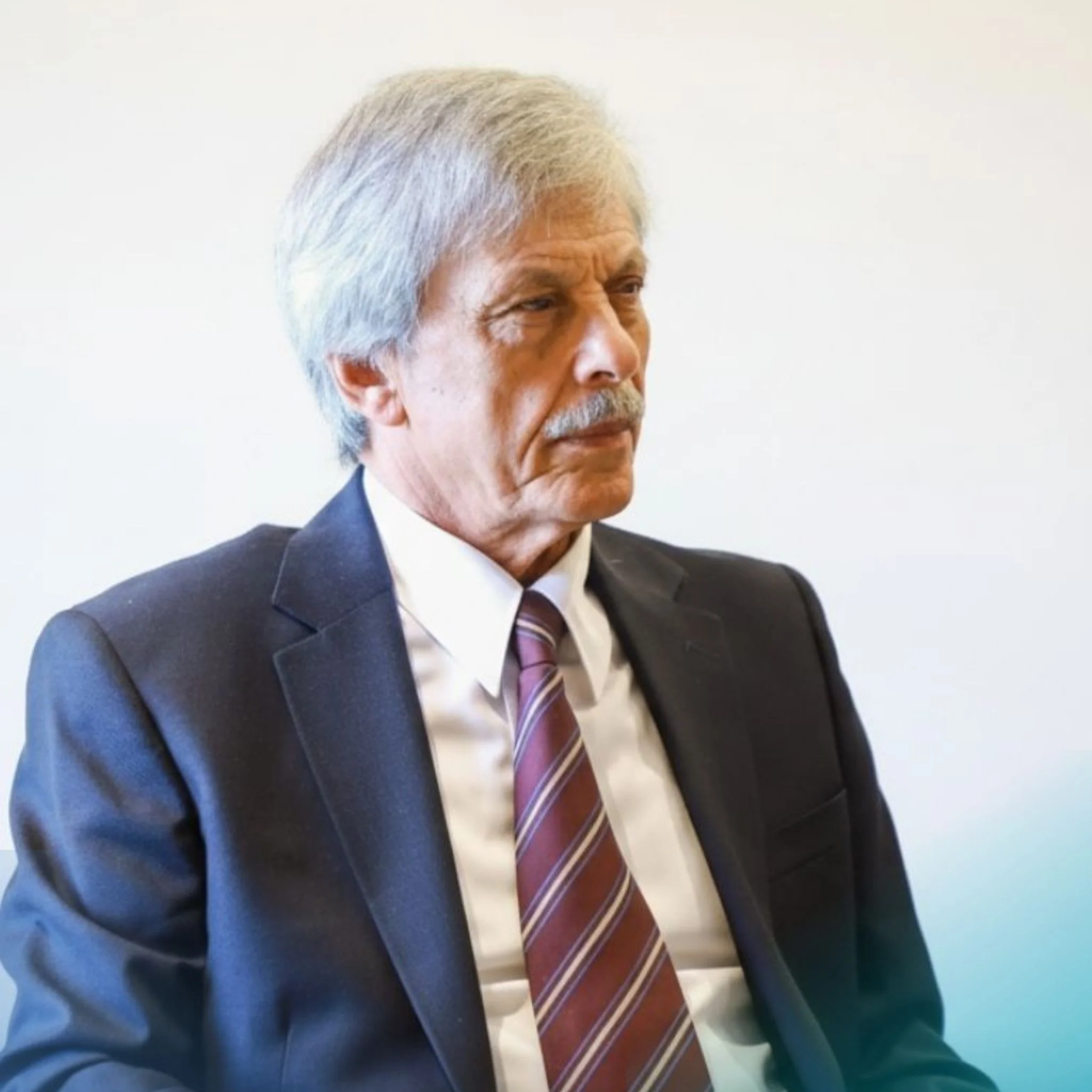
Professor Mikael Elrefady
TCLC Director

dr.moamar
Dr. Moamar Gabsa
TCLC Deputy director & Teaching and Learning Professions Qualification Unit director

d.buthaina aclt
Dr. Buthaina Gerriw
Research and Evaluation Director
dr.salsabil aclt
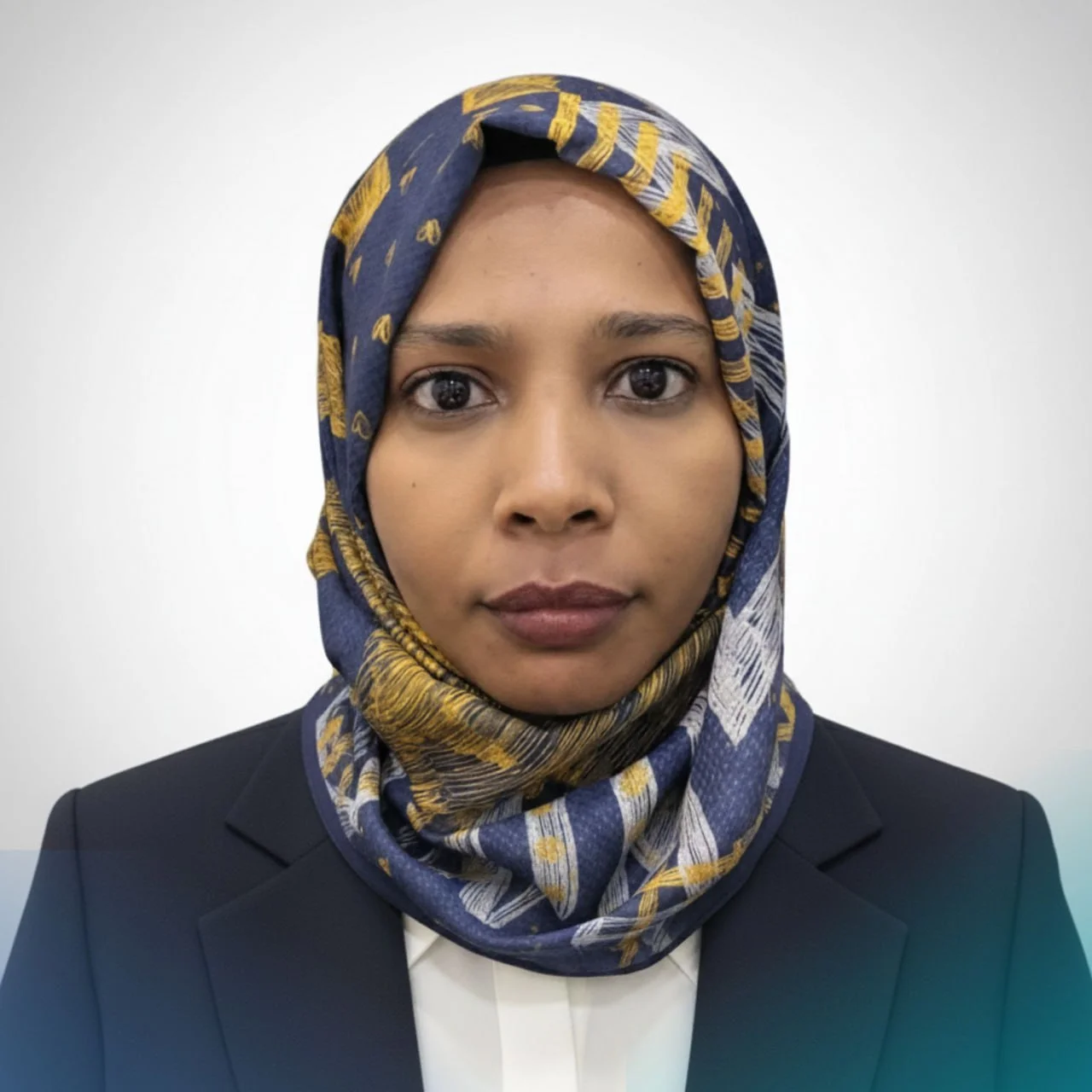
Dr. Salsabeel Kamal
Continuous Learning and Development Director
dr.osama aclt
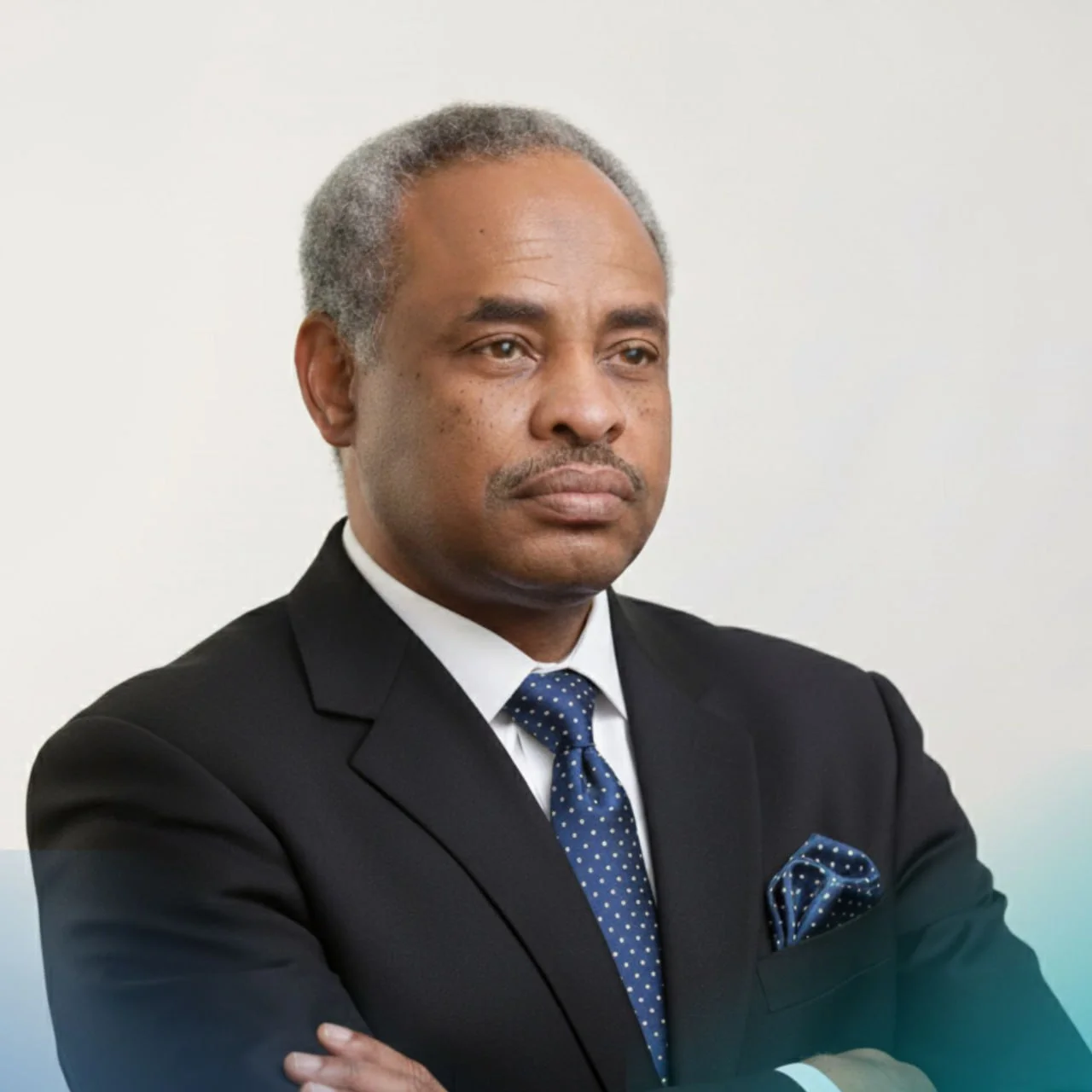
Dr. Osama M Khlile
Administrative and Financial Support Director

Dr. Raihan Obydi

Ms. Mahbuba Elhoreir
Head of Language Unit
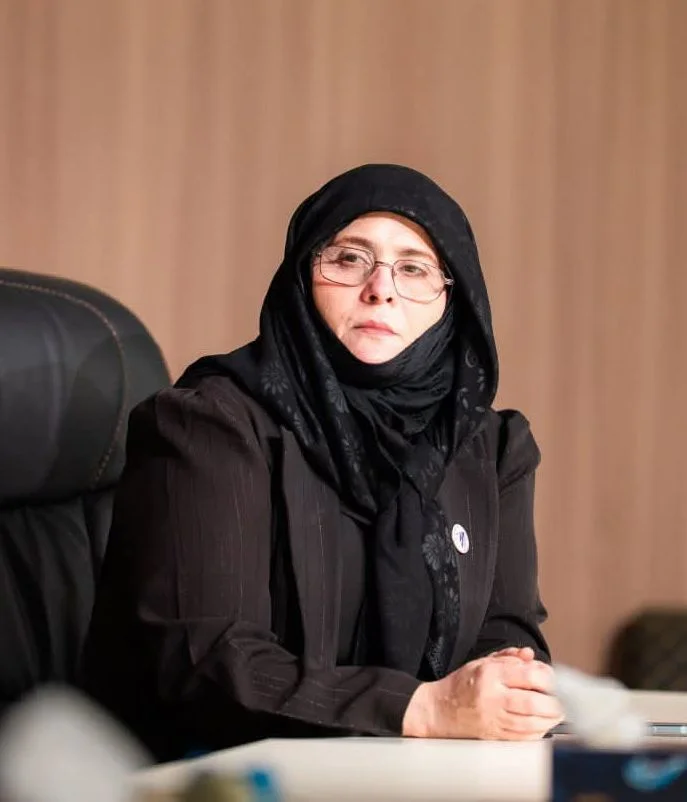
Ms. Salima Elraid
Training Operations and Quality Assurance Coordinator
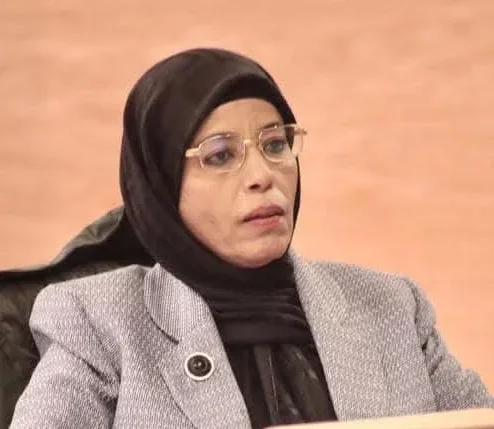
Eng. Imbarka Abdullah
Coordinator of Engineering and Vocational Programs

Dr. Saleh Ali Al-Barassi
Training Programs Director
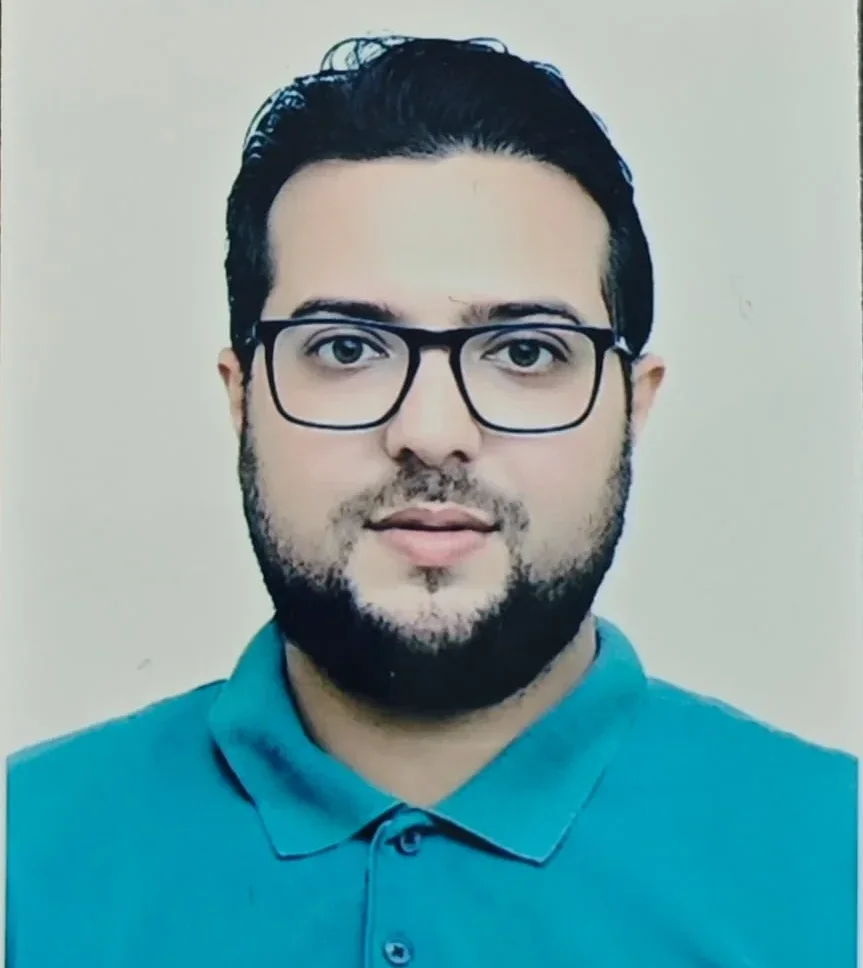
Dr. Adam Fahmi Al-Mismari
Medical and Health Programs Coordinator

ACLT Units

The main goal of ACLT is to develop and enhance the capabilities of the teaching community at LIMU. Besides, it strives to establish higher degrees in the field of education with particular emphasis on health professional education. 

The objectives of ACLT include, but are not limited to, developing the competencies of faculty members, enhancing the quality of teaching and learning through the integration of modern technology, and improving both teaching and assessment strategies. ACLT also seeks to encourage research and scholarly studies in the fields of learning and teaching, while promoting initiatives that foster lifelong learning and professional growth.

Professional Development and Continuing Education Unit is committed to advancing faculty excellence by developing qualification programs for new and practicing university educators. The unit fosters international academic partnerships to enrich professional development initiatives and oversees postgraduate programs related to teaching and learning. It organizes specialized training in modern teaching methodologies and academic assessment, while designing innovative programs to enhance faculty members’ instructional skills. Through these efforts, the unit ensures that higher education teaching remains dynamic, effective, and aligned with global best practices.

Professional Development and Continuing Education Unit is dedicated to enhancing the professional growth of faculty and staff by aligning training plans with the latest trends in education and professional practice. The unit oversees the design and delivery of workshops, training programs, and scientific conferences, while coordinating with colleges and university departments to identify development needs. It is also committed to evaluating the impact of its programs and establishing strategies for continuous improvement. By fostering innovation in teaching, learning, and academic assessment, the unit ensures that educators are empowered to deliver high-quality, learner-centered education.

Research and Evaluation Unit is dedicated to advancing scholarly inquiry and evidence-based practice in teaching and learning. The unit develops and implements research strategies in education, while overseeing the evaluation of faculty and student performance. It conducts data analysis and produces regular reports with actionable recommendations for improvement. By coordinating with other units, it ensures that research findings are effectively integrated into professional development initiatives. In addition, the unit supports educational research projects and promotes their publication in peer-reviewed journals, contributing to the global body of knowledge in higher education.

Administrative Affairs Unit is responsible for ensuring the smooth operation and coordination of all administrative activities within the center. The unit oversees the organization of meetings, academic events, and the implementation of decisions issued by the center’s leadership and scientific committee. It manages official correspondence and documentation, including preparing reports, drafting formal communications, and maintaining accurate meeting records. Additionally, the unit is entrusted with creating and archiving comprehensive files for training programs, academic initiatives, and performance reports, while ensuring that all records and data are preserved with the highest standards of confidentiality and quality.

Scroll to Top